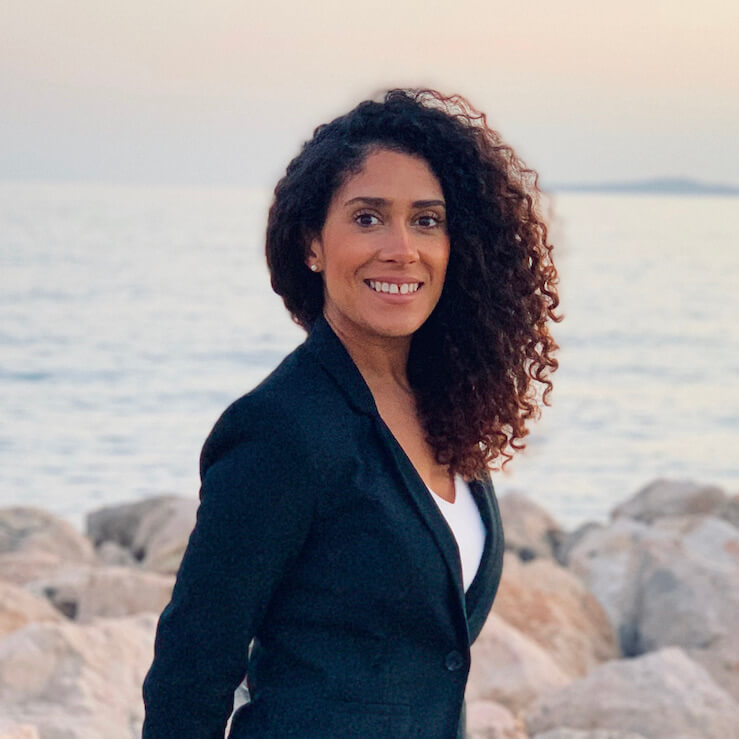
Interview with Yousafa Hazara, Partner & Head of Middle East Desk at Irwin Mitchell

We’re back with another Making the Jump interview, and this month we spoke to Yousafa Hazara, who recently became a Partner at Irwin Mitchell. Along the way, Yousafa has built a leading international private client practice, established a strong presence in the Middle East market and developed a reputation for advising high-net-worth individuals and families on complex cross-border succession, tax and estate planning matters.

We wanted to know what helped drive that progression, what she did differently, how she accelerated her development within a large national firm, what she’d tell someone earlier in their career, and whether there were things she wishes she’d known sooner.

From building a niche international practice and developing relationships across the Middle East, to navigating the transition from associate to partner, Yousafa shares her perspective on what it takes to stand out, create opportunities and build a long-term career in private wealth.

Grab a coffee. This one’s worth reading properly.

Gemma: Becoming a partner is a significant milestone. Was partnership always a goal for you, or did it emerge naturally through the decisions you made during your career?

Yousafa: I always wanted to build something, but I never had a particular date in mind for partnership.

What motivated me was having my own practice, developing my own client relationships and becoming known for something. Over time, that became international private client work, particularly the Middle East and cross-border tax and succession planning.

Looking back, partnership was really the result of lots of small decisions rather than one grand plan. Saying yes to opportunities, getting involved in business development early and taking ownership of relationships all helped me progress. I was also very fortunate to have people internally who encouraged that, gave me space to develop my own practice and backed me when I wanted to try something a bit different.

Gemma: Looking back, what do you think you did in your first few years that most associates don’t — the thing that actually moved the needle?

Yousafa: The biggest thing was not waiting until I was senior before getting involved in business development.

A slightly random fact about me is that, before law, I actually wanted to be a sports journalist. Looking back, I think some of that has stayed with me. I’ve always enjoyed talking to people, hearing their stories and finding out what makes them tick.

Quite early on, I started attending events, speaking at industry events, writing articles and getting to know people in the market. I didn’t view legal work and business development as two completely separate things. Building relationships, making introductions and sharing ideas became part of how I worked every day.

I also tried to be proactive rather than waiting until everything felt perfectly lined up. Most of the interesting things in my career have come from being willing to get involved early.

Gemma: Was there a moment you knew you were ready, or did the firm decide that before you did?

Yousafa: Definitely gradually.

I don’t think there’s a moment when you suddenly feel completely ready. In reality, you grow into it.

What changed for me was realising that clients weren’t only looking to me for technical answers. They trusted my judgement and wanted my help with important decisions about their families, businesses and wealth.

Once you’re doing that consistently, leading relationships and creating opportunities for the wider team, partnership starts to feel like a natural next step rather than a finish line.

Gemma: You’re based in London but you’ve built a strong practice in the Middle East. How did that come about, and what does building an international client base actually look like day to day when you’re not on the ground there?

Yousafa: It started much more organically than people probably imagine.

The Middle East appealed to me because it is dynamic, outward-looking and very relationship-driven. It is a market where trust, consistency and showing up properly really matter.

It also suits how I like to work. There is a real energy to the region: new projects, conferences, introductions and conversations are happening all the time. But it is not just about being visible. The relationships have to be built carefully and maintained over time.

One introduction led to another, and the practice grew from there. Travel and face-to-face time matter, of course, but building an international practice is really about consistency. Staying in touch, making useful introductions, sharing ideas and being responsive all count.

I’ve always found that the best business development happens when you’re trying to be useful rather than trying to win work.


Partnership was really the result of lots of small decisions rather than one grand plan. Saying yes to opportunities, getting involved in business development early and taking ownership of relationships all helped me progress.

Gemma: Private wealth is a specific world – relationship-led, often multi-generational. Has that shaped how you approach BD compared to lawyers in more transactional practice areas?

Yousafa: Absolutely. Private wealth is ultimately about people and trust, and that’s probably why I enjoy it so much.

In private wealth, the legal and tax issues are often only one part of the picture. You are usually advising families at important moments, where decisions can affect succession, control, legacy and relationships between generations.

That means the relationship has to be built on trust and judgement, not just technical ability. Clients need to feel that you understand what matters to them personally, as well as what the law requires.

A lot of my best relationships have developed over years rather than from a single meeting or event. People can usually tell whether you’re genuinely interested in helping or simply looking for the next instruction.

Gemma: What changed the day you became partner – in your workload, your mindset, or how people treated you?

Yousafa: The biggest change was mindset rather than workload.

I was already leading matters and client relationships, but partnership makes you think much more about the wider business, the team and the future of the practice. You become more conscious of creating opportunities for other people, not just yourself.

It also made me realise how important it is to enjoy what you are building. Partnership is demanding, and there will always be pressure, but it feels very different when your practice is built around work, people and markets that genuinely interest you. That enjoyment keeps you curious and gives you the energy to keep developing it.

What I really value about Irwin Mitchell is that I was given the space to build a practice in a way that felt authentic to me. I had room to develop my own style, focus on the markets and relationships that genuinely interested me, and build something that reflected the kind of lawyer I wanted to be. That has made the journey feel much more personal and sustainable.

It reminds me of that quote, “Be yourself, everyone else is taken.” I think that is particularly true when you are building a practice – people respond to authenticity, and it is much easier to keep going when the thing you are building genuinely feels like you.

Gemma: Is there anything about moving this fast that you’d do differently, or warn someone else about?

Yousafa: I think I would have followed my curiosity even more.

The best things I’ve done professionally have usually started with an interest rather than a strategy. Getting involved in the Middle East market. Attending international conferences. Speaking at events. Building relationships outside my immediate practice area.

At the time, I wasn’t thinking about how any of those things might benefit my career. I just found them interesting.

Looking back, following the things that genuinely interested me probably had more impact than any formal career plan.

It’s also why I think people should be careful about putting themselves into a box too early. Some of the biggest opportunities in my career came from exploring areas that sat slightly outside my day-to-day role at the time.

If something genuinely interests you, lean into it. You never know where it might lead.

Gemma: What advice would you offer to someone aiming to make partner within the next year?

Yousafa: Don’t focus exclusively on becoming partner.

Focus on becoming someone clients actively seek out, colleagues enjoy working with and the market recognises for something. Ask yourself whether you’re creating opportunities, contributing to the wider team and giving people a clear reason to remember you.

Business development doesn’t need to be a separate, intimidating exercise. It can be as simple as making an introduction, sharing a useful idea, checking in with someone or bringing colleagues into an opportunity.

Find the people internally who will challenge you, sponsor you and give you honest feedback. That support can make a real difference when you’re trying to build something new or work out what your next step should be.

And don’t wait for permission. Apply to speak at the conference, write the article, make the introduction and put yourself forward. Most careers move forward because people are willing to take a few chances before they feel completely ready.


Yousafa Hazara is a Partner in the High Net Worth and International private client team for Irwin Mitchell in London, specialising in multi-jurisdictional wealth planning, international tax and trusts, and succession planning for high net worth (HNW) and ultra high net worth clients and their families.

Author